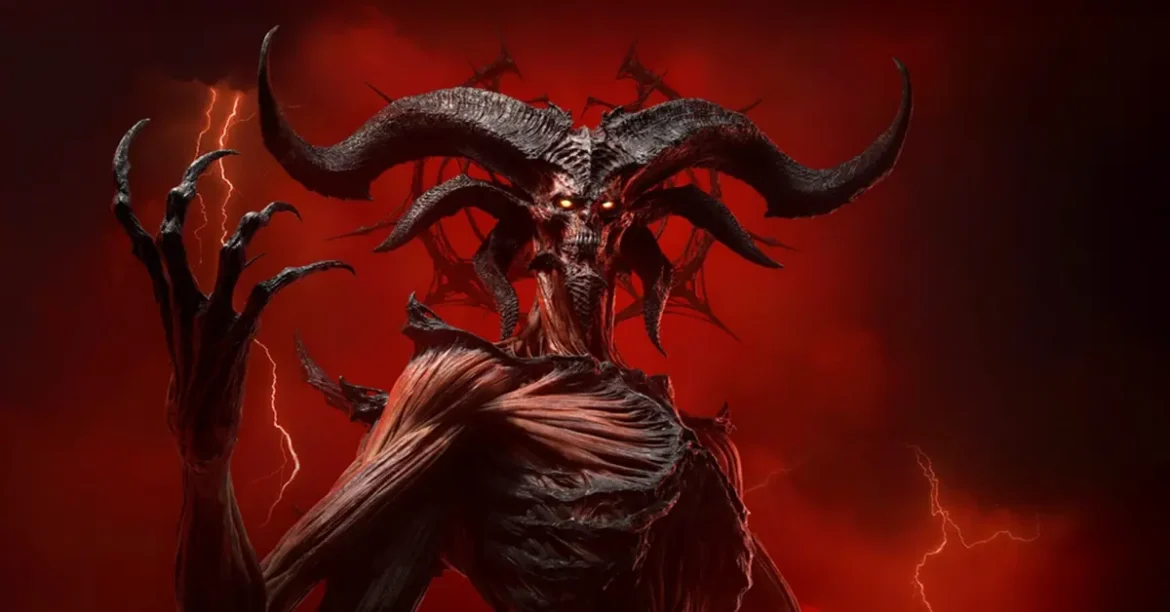
- Diablo IV’s Lord of Hatred expansion concludes the Mephisto campaign and introduces the Skovos region alongside the Warlock and Paladin classes.
- The Smart Price: Secure the expansion for under €30, or grab the Base Game + Expansion combo for the price of a single standard game.
- Alternative marketplace keys offer a direct path to bypass the official digital store markup.
Recent April 2026 reviews confirm the expansion features a tight 8-hour campaign that concludes the Mephisto saga. It also introduces a major Skill Tree update that allows players to change the affinity and typing of most abilities.
While an 8-hour campaign might feel brief against the €39.99 premium retail price, finding marketplace keys under €30 optimizes the cost-to-content ratio for PC, PS4, PS5, Xbox One, and Xbox Series X|S players.
Is the Diablo IV Lord of Hatred Expansion Worth the Premium Retail Price?
The value of the Lord of Hatred expansion depends entirely on where you buy it. While the standard store cost sits at €39.99, alternative digital marketplaces offer the same content for around €29.00.
This price gap is especially relevant for newcomers looking to bundle the base game with the new expansion. The official markup on primary digital storefronts sets a high entry point for an 8-hour campaign.
However, when utilizing verified CD key platforms, the economic proposition shifts considerably. Players can acquire the complete Diablo IV experience—base game plus both major expansions—for what a single modern release typically costs.
| Product Tier | Official Store Cost | Alternative Marketplace Price |
|---|---|---|
| Standard Expansion | €39.99 | ~€29.00 |
| Deluxe Edition | €59.99 | ~€45.00 |
| Ultimate Edition | €89.99 | ~€70.00 |
| Base Game + Expansion Combo | €69.99 | ~€49.00 |
Note: Prices and availability may change. Please check the widget below for real-time live prices.
What New Gameplay Features Highlight the Lord of Hatred Expansion?
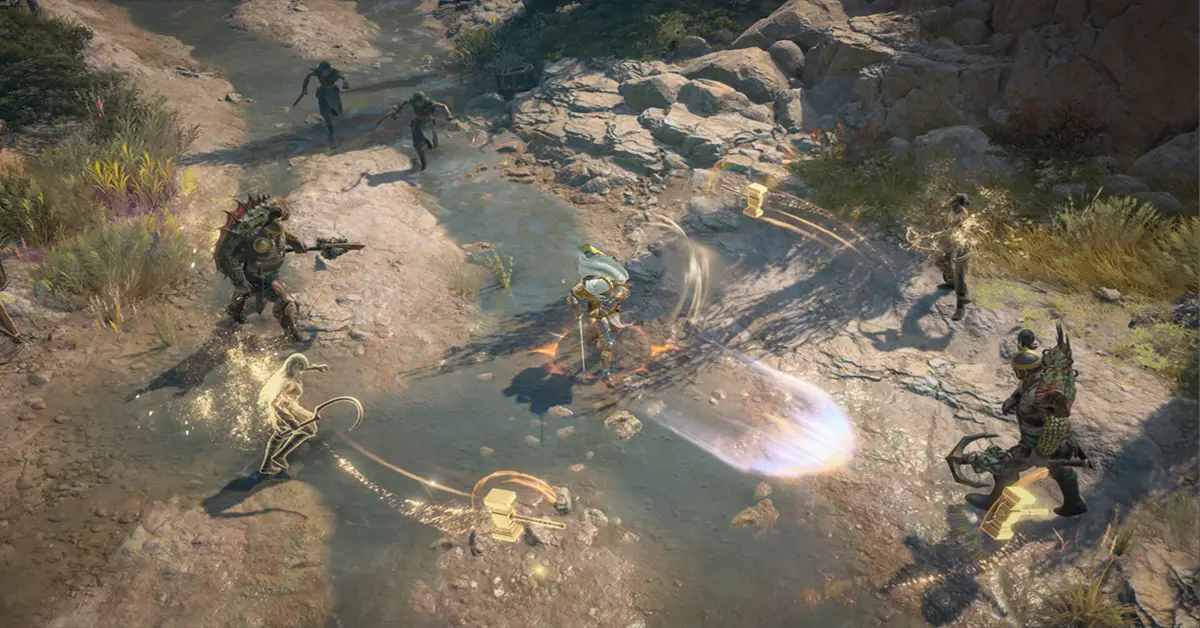
Lord of Hatred introduces the ancient, Mediterranean-inspired Skovos region, adds the holy-wielding Paladin and demon-binding Warlock classes, and completely overhauls the Skill Tree system for deep customization.
These additions fundamentally change end-game build viability. The narrative pushes players through the alabaster towns and volcanic landscapes of Skovos, moving away from the dark swamps of previous acts.
The return of the Horadric Cube and new Loot Filters streamline the gear grind. Meanwhile, the Skill Tree rework allows all eight classes to shift element affinities, drastically widening the meta according to the official Blizzard expansion details.
Where Can You Buy Diablo 4 Lord of Hatred Safely?
The safest approach to purchasing the Lord of Hatred expansion is to compare real-time key availability across trusted, aggregated digital marketplaces. These platforms ensure secure transactions while avoiding the standard store cost.
By utilizing dedicated trackers, players can monitor price thresholds and secure Battle.net or Xbox keys at a discount. This strategy guarantees immediate access to the Skovos campaign and new classes without absorbing the premium retail price associated with direct storefront purchases.
Download the Allkeyshop Browser Extension Free
For all the latest video game news, trailers, and best deals, make sure to bookmark us.
You can find all the best and cheapest online deals on CD keys, game codes, gift cards, and antivirus software from the verified CD key sellers on our store pages.
To not miss any news on Allkeyshop, subscribe on
Google News
.
MORE RELEVANT ARTICLES
PakarPBN
A Private Blog Network (PBN) is a collection of websites that are controlled by a single individual or organization and used primarily to build backlinks to a “money site” in order to influence its ranking in search engines such as Google. The core idea behind a PBN is based on the importance of backlinks in Google’s ranking algorithm. Since Google views backlinks as signals of authority and trust, some website owners attempt to artificially create these signals through a controlled network of sites.
In a typical PBN setup, the owner acquires expired or aged domains that already have existing authority, backlinks, and history. These domains are rebuilt with new content and hosted separately, often using different IP addresses, hosting providers, themes, and ownership details to make them appear unrelated. Within the content published on these sites, links are strategically placed that point to the main website the owner wants to rank higher. By doing this, the owner attempts to pass link equity (also known as “link juice”) from the PBN sites to the target website.
The purpose of a PBN is to give the impression that the target website is naturally earning links from multiple independent sources. If done effectively, this can temporarily improve keyword rankings, increase organic visibility, and drive more traffic from search results.