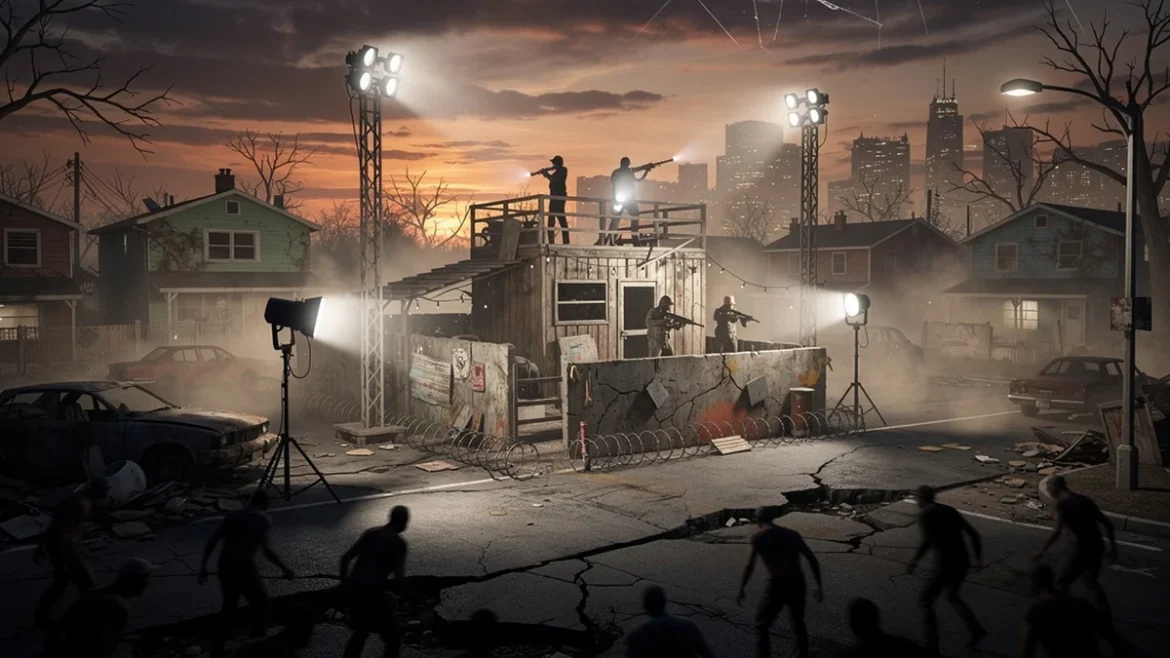
The Fun Pimps announced on 12 Jun 2026 that 7 Days to Die V3.0 Dead Hot Summer starts with a 500+ streamer weekend before Steam experimental opens on 15 Jun.
For a mature survival sandbox, this is a sharp live-service move, confirmed by The Fun Pimps and PCGamesN. Dead Hot Summer starts with streamers on 12 Jun 2026, then opens Steam experimental on 15 Jun. At €43.99 with no Steam discount, V3.0 is the first real reason in months to reinstall — or finally check whether 7 Days to Die is worth buying now.
AKS Score (users)
87/100
400.0K reviews
7 Days to Die is an open-world game that is a unique combination of first-person shooter, survival horror, tower defense, and role-playing games. Play the definitive zombie survival sandbox RPG that came first. Navezgane awaits!
Released
Jul 25, 2024
Developer
The Fun Pimps
Publisher
The Fun Pimps Entertainment LLC
Available on
Tags
ActionAdventureIndieRPGSimulation
Steam CD-key, own it forever
Steam Account, try it cheaper
7 Days to Die is not being treated like a quiet veteran this week. The official V3.0 schedule puts streamers first from 12 Jun to 14 Jun, then moves the update to Steam experimental on 15 Jun.
Dead Hot Summer does not add a single headline biome or weapon. Instead, it leans on player agency, with the official release notes listing 150 sandbox customization options that reshape each run.
Why 500 Streamers Get the Wasteland First
The streamer-first rollout is unusually broad: 500+ streamers, 48+ countries, 20+ spoken languages, and three days of public runs before most Steam players touch experimental. PCGamesN also frames V3.0 around player control.
For a game built around emergent chaos, that matters. Viewers will see base failures, balance surprises, weird server rules, broken plans, and the improvised survival stories that have kept 7 Days to Die visible for years.
Dead Hot Summer Is About Breaking the Rules
V3.0 promises control above all else. The release notes describe 150 sandbox customization options, which means players can lean harder into the parts they like and soften the friction they do not. In a zombie survival game, that is a big philosophical shift.

Instead of forcing every group through the same apocalypse, Dead Hot Summer lets servers shape their own rules. One squad can chase brutal scarcity, another can make crafting less punishing, and a third can build a co-op zombie playground.
The €43.99 Question for PC Players
Steam lists the full game at €43.99 with no current discount. That makes the update important commercially: owners get a reason to reinstall, while new buyers need to judge how much sandbox freedom matters.
Before paying full Steam price, check the live 7 Days to Die CD-key comparison. A CD-key activates on your Steam profile, while a Steam Account offer is a separate account route.
Should You Jump Back Into 7 Days to Die Now?
If you bounced off 7 Days to Die because one system felt too grindy, too punishing, or too fixed, V3.0 is exactly the kind of update that deserves attention. The appeal is not that the apocalypse is easier. It is that players can tune it.
The safest move is to watch the streamer weekend first, then check experimental build reactions before buying or returning. If the new options hold up in real servers, Dead Hot Summer could make this mature PC survival sandbox feel fresh again. The price page is where the real decision happens, and it is already worth checking.
Download the Allkeyshop Browser Extension Free
For all the latest video game news, trailers, and best deals, make sure to bookmark us.
You can find all the best and cheapest online deals on CD keys, game codes, gift cards, and antivirus software from the verified CD key sellers on our store pages.
To not miss any news on Allkeyshop, subscribe on
Google News
.
PakarPBN
A Private Blog Network (PBN) is a collection of websites that are controlled by a single individual or organization and used primarily to build backlinks to a “money site” in order to influence its ranking in search engines such as Google. The core idea behind a PBN is based on the importance of backlinks in Google’s ranking algorithm. Since Google views backlinks as signals of authority and trust, some website owners attempt to artificially create these signals through a controlled network of sites.
In a typical PBN setup, the owner acquires expired or aged domains that already have existing authority, backlinks, and history. These domains are rebuilt with new content and hosted separately, often using different IP addresses, hosting providers, themes, and ownership details to make them appear unrelated. Within the content published on these sites, links are strategically placed that point to the main website the owner wants to rank higher. By doing this, the owner attempts to pass link equity (also known as “link juice”) from the PBN sites to the target website.
The purpose of a PBN is to give the impression that the target website is naturally earning links from multiple independent sources. If done effectively, this can temporarily improve keyword rankings, increase organic visibility, and drive more traffic from search results.